Ant Wars The Four Colonies
Team colors, map approach, and how to fight beside your nestmates.
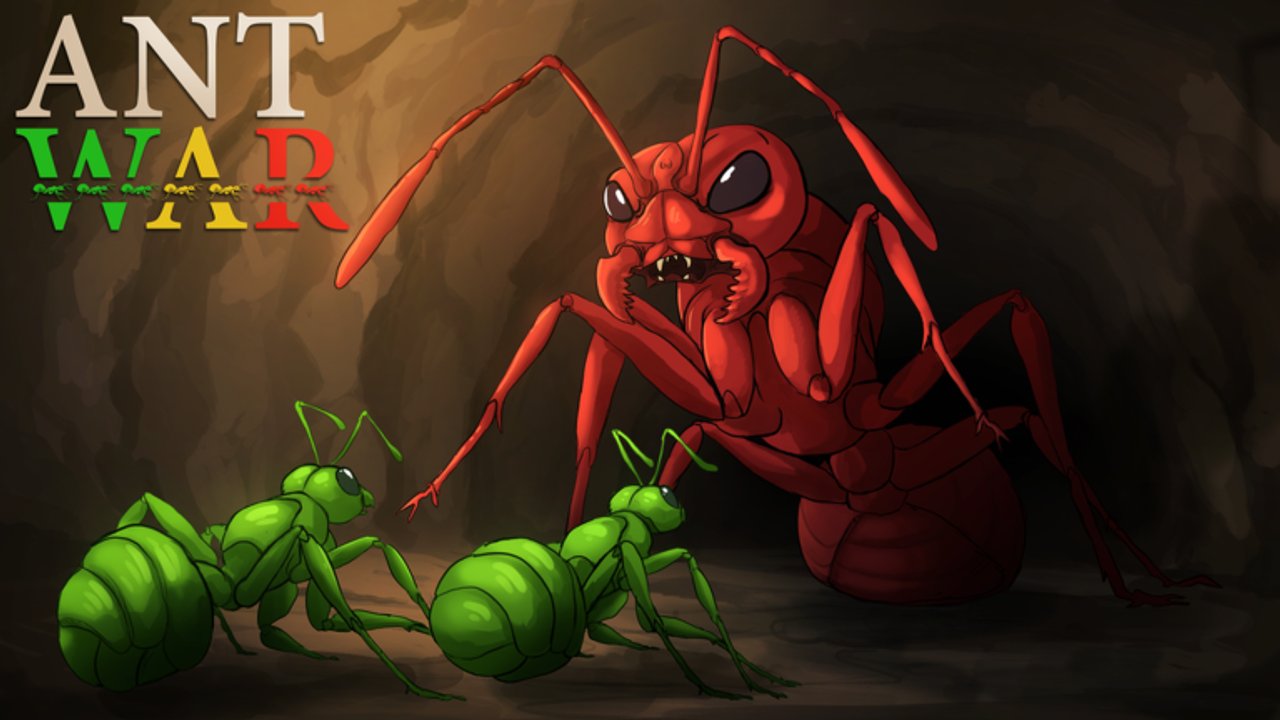
Colonies in Ant War
Every match of Ant War (Ant Wars) drops you into one of four colonies. They look different, spawn on different sides of the underground map, and create the social identity of a round — but they share the same ant sizes, mutations, and DNA rules. There is no secret Fire Nation damage buff or Concrete Clan armor cheat. Wins come from digging, healing, and deleting enemy queens, not from picking a “meta color.”
This guide profiles each colony, explains team parity, and outlines practical strategy once you lock a side. Pair it with the Players hub, Ant Sizes, and Mutations Tier List.
The four colonies
Fire Nation (red)
Fire Nation ants wear red. In community VODs they often play aggressive mid-pressure styles — early digs into contested soil, Trapjaw frontlines, and quick pivots when a neighbor queen wobbles. Red is easy to spot in chaotic tunnels, which helps allies track friendlies but also helps enemies call targets. Lean into clear callouts and avoid friendly-fire confusion when Acid sprays fly.
Golden Empire (yellow)
Golden Empire ants are yellow/gold. Popular showcase rounds highlight methodical expansion: secure fungus, stabilize Honeypot lines, then choose which neighbor to crack first. Yellow reads clearly against dark dirt, useful for coordinating Supermajor marches. If your stack queues Golden Empire together, assign roles before the countdown ends.
Leaf Kingdom (green)
Leaf Kingdom ants are green. Green can blend with some terrain lighting, so defenders should mark tunnels clearly and attackers should rely on sound cues plus scouting Minors — never wallhacks from scripts. Leaf Kingdom rounds in the community often feature flexible mid-game Major timings.
Concrete Clan (gray)
Concrete Clan ants are gray. Gray silhouettes pop differently against fungus and packed soil; use that for quick ally recognition. Concrete Clan nests frequently become mid-match battlegrounds when two other colonies collapse nearby — be ready to defend early or to loot larvae the moment a neighbor queen falls (v1.216 loot loops).
Parity rules (read this twice)
- Same Minor / Major / Supermajor DNA costs (0 / 3 / 6)
- Same mutation shop (Trapjaw, Stinger, Acid, Armored, Honeypot, plus late Combo Mutations)
- Same queen death rules (no respawns after loss)
- Same badge opportunities (Muncher, Medic, Looter, and the rest)
Colony choice is about teammates and spawn geometry, not hidden stats. If a friend is already loading Leaf Kingdom, join them — a coordinated green stack beats a random “meta” red solo every time.
Spawn geography and first digs
Although exact layouts can shift with map updates, the strategic pattern stays stable:
- Identify neighbors — Which two colonies sit closest to your exits?
- Open one primary highway — A single well-supported tunnel beats five unfinished holes.
- Plant a defensive stub — Leave Armored/Honeypot capacity near home while scouts push.
- Contest mid fungus — Healing economy decides long queen fights.
- Reassess after first blood — If Golden Empire’s queen dies early, decide whether to loot or rotate onto Fire Nation before they snowball.
Watch the mid-article Golden Empire video for a full-round example of neighbor prioritization, then adapt the same decision tree on any color.
Team roles inside a colony
A healthy 48-player server rarely gives you twelve perfect teammates, but even a squad of four can cover:
| Role | Size bias | Mutation bias |
|---|---|---|
| Digger scout | Minor | Regular/Acid |
| Frontliner | Major → Supermajor | Trapjaw / Armored |
| Queen hunter | Major+ | Stinger / Acid |
| Nest medic | Any | Honeypot |
| Larvae runner | Minor/Major | Armored or speed-of-play focus |
Rotate roles when someone disconnects. Colonies that rigid-lock “everyone Supermajor Trapjaw” lose to mixed compositions that actually heal.
Diplomacy myths
Players sometimes soft-ceasefire with one color to focus another. Informal truces can work for a minute, then break the second larvae appear. Never trust a truce with your own queen exposed. The game is free-for-all between colonies; only your color is truly allied.
After a colony falls
When any queen dies:
- Expect traffic toward that nest for larvae DNA.
- Post a rear guard — opportunistic third parties love empty thrones.
- Update your target priority list; a three-colony endgame is a different game than a four-way dig race.
Details on death rules live on the Queen page.
Progression flavor
Winning on the colony you started with progresses Victory style goals; caste ranks climb from digging, healing, and fighting for that color. Cosmetics from v1.43 can celebrate your favorite colony look without changing balance. No codes assign you a “better” team.
Practice plan by colony
- Play two rounds on each color to learn spawn feels.
- On Fire Nation, practice aggressive Trapjaw timings.
- On Golden Empire, practice patient Honeypot economies (mirror the linked video’s support segments).
- On Leaf Kingdom, practice Acid trench defense.
- On Concrete Clan, practice larvae snatch-and-return under pressure.
Bring lessons back to the Tier List hub and track balance on Updates. For the whole site map, open the Wiki overview.
Colony pride is cosmetic; colony coordination is the real advantage.
Frequently Asked Questions
Quick answers for Ant Wars colony fights.
Which Ant Wars colony is the strongest?
None. Fire Nation, Golden Empire, Leaf Kingdom, and Concrete Clan share identical mechanical tools. Strength comes from players and spawn approach.
Can I switch colonies mid-round?
You play for the colony you join at the start. Focus on coordinating with that color rather than hunting a ‘better’ team mid-match.
What should my colony do first?
Open one primary tunnel, secure fungus for healers, scout neighbors, and assign at least one queen guard before everyone rushes out.
Do colony colors change mutations?
No. Trapjaw, Stinger, Acid, Armored, and Honeypot work the same on every team. Only your teammates and map pathing change.