Ant Wars Ant Sizes Explained
DNA costs, combat roles, and upgrade timing for every body size.
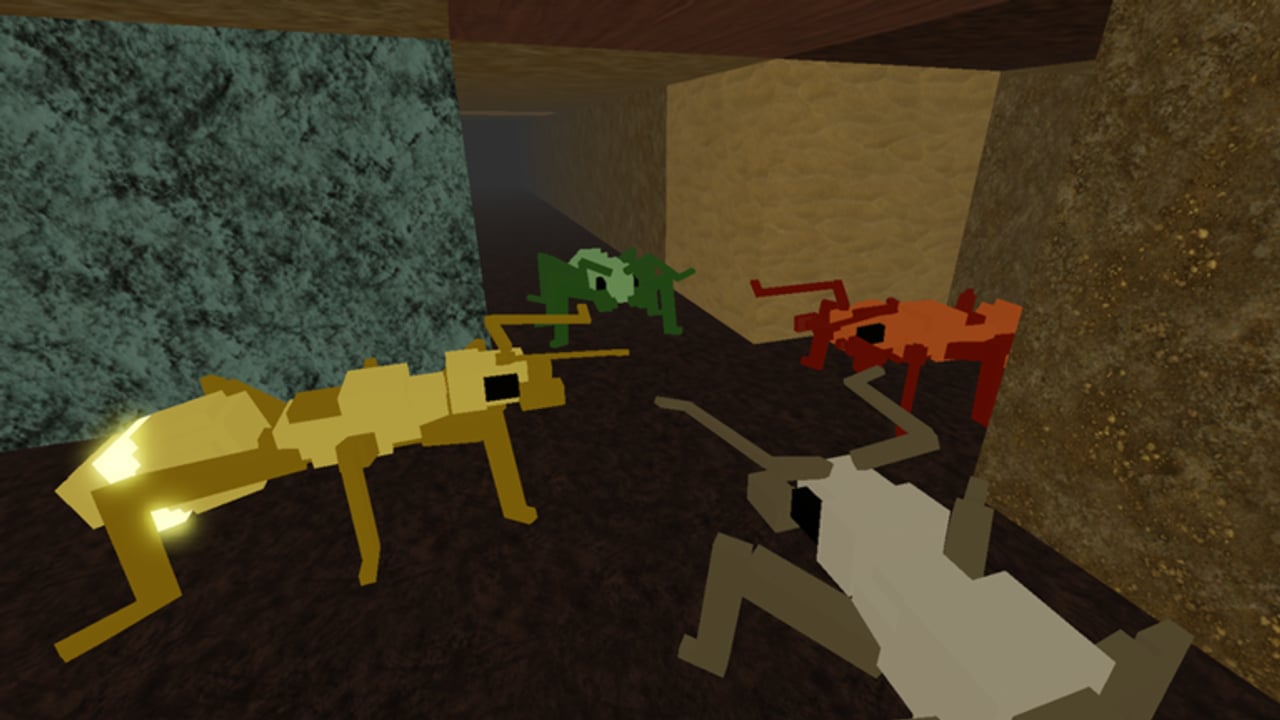
Ant sizes in Ant War
Size is the first big DNA decision you make each round. Ant War (Ant Wars) lets you fight as Minim, Minor, Major, or Supermajor. Larger bodies hit harder and soak more, but they cost precious DNA that could have bought a mutation or a later Combo Mutation once the timer slips under 30:00. This guide covers costs, roles, and timing so you stop overpaying for ego Supermajors.
Related pages: Players hub, Mutations Tier List, Queen, Getting Started.
DNA cost table
| Size | DNA cost | Access |
|---|---|---|
| Minim | — | Gamepass (optional small caste) |
| Minor | 0 | Default free size |
| Major | 3 | Mid-round upgrade |
| Supermajor | 6 | Late frontline investment |
DNA arrives from passive ticks (about every 45 seconds, faster near the end), healing allies/queen, returning larvae, and combat. There are no promo codes that grant free size unlocks.
Minim (gamepass)
Minim is the specialty small ant unlocked via Roblox gamepass rather than match DNA. Expect a compact hitbox and a harassment playstyle: slip through chaos, tag distracted majors, and contest larvae while bigger teammates hold chokepoints. Minim still benefits from mutations — a Minim Stinger or Acid can annoy a queen defense — but it will not replace a funded Supermajor on the main breach.
Play Minim when: you own the pass, enjoy scout/assassin tempos, or your colony already fields enough bulk. Skip Minim when: you are learning fundamentals; master Minor first.
Minor (0 DNA) — the real starter and specialist
Every player can always be a Minor. Early rounds should almost always begin here while tunnels are unfinished. Minors:
- Dig cheap scouting paths toward rival colonies.
- Run Honeypot healing routes for DNA and Medic progress.
- Use Acid from trenches without presenting a huge target.
- Chase the Giant Slayer badge by killing a Supermajor — high skill, huge swagger.
Do not feel forced into Major the second you hit 3 DNA. If fungus is scarce and your queen is safe, a Minor Trapjaw or Stinger that stays alive often outvalues a rushed Major that dies in a dead-end tunnel.
Minor power spikes: Stinger ability numbers are already meaningful; Acid poke is safest on small bodies; Armored Minors can body-block doorways surprisingly well.
Major (3 DNA) — the flexible mid spike
Major is the workhorse upgrade. At 3 DNA you gain a noticeable combat step without the full Supermajor tax. Typical Major plans:
- Trapjaw Major — efficient melee DPS and DNA farming through wins.
- Armored Major — reinforce a push or queen door.
- Stinger / Acid Major — scale ability damage for sieges.
- Honeypot Major — store and deliver stronger heal drops when the nest is burning.
Many veterans skip Major entirely when they are already close to 6 DNA and the map state demands a Supermajor now. Others buy Major, fight for two minutes, die with purpose, and rebuy with better info. Death is cheap compared to a queen loss — see Queen.
Supermajor (6 DNA) — late-round capital ship
Supermajor costs 6 DNA and should arrive with a plan. Ideal windows:
- Your tunnels already reach an enemy nest or mid control node.
- Healers (Honeypot) or Armored buddies can escort you.
- The clock is approaching Combo Mutations so your Supermajor can carry two classes.
Naked Supermajors that wander alone into Leaf Kingdom or Concrete Clan backdoors feed Giant Slayer hunters and waste the economy. Treat the size like a payload: dig the road, then drive the truck.
Community damage tables show Trapjaw bite ranges climbing hard on Supermajor frames, and Stinger ability damage reaching the top bracket — perfect for finishing queens once the outer guards fall.
Size versus mutation priority
A common mistake is saving every DNA for size while fighting as Regular. A Minor Trapjaw often beats a Regular Major in the same tunnel. Reverse mistake: buying flashy mutations with no size plan when the enemy already fields Supermajors. Use this heuristic:
- Secure a useful mutation on Minor.
- Evaluate map control.
- Buy Major or bank toward Supermajor.
- After 30:00, prefer Combo quality on the largest body you can afford.
Patch history matters: v1.216 improved support/loot loops that favor patient Minors; v1.3 made late dual mutations the real “size” multiplier; v1.43 added cosmetics that do not change hit points — check Updates.
Badges tied to size play
- Giant Slayer — Minor eliminates Supermajor
- Muncher — bite kills (easier on larger Trapjaws, but Minors contribute)
- Survivor — last ant after queen death (small ants can hide and stall)
- Caste ranks climb from general helpful play regardless of size
Platform notes
Ant War runs on PC, mobile, and console. Mobile diggers should favor clearer corridors before Supermajor purchases; precise Stinger timing is easier with mouse aim but still viable on touch. Console players benefit from Armored sizes when camera fights get messy.
Practice checklist
- Play three rounds never buying above Major — learn tunnel timing.
- Play one round rushing Supermajor — feel the DNA drought.
- Play one round Maximizing Honeypot Minor DNA — feel the support economy.
- Review the Tier List hub and avoid cheat scripts that auto-dig your size decisions away.
Master sizes and every other system on the Wiki overview becomes easier to execute.
Frequently Asked Questions
Quick answers for Ant Wars colony fights.
How much DNA does Supermajor cost?
Supermajor costs 6 DNA. Major costs 3 DNA, Minor is free at 0 DNA, and Minim is unlocked with a gamepass instead of DNA.
Should I skip Major and save for Supermajor?
Sometimes. If you are close to 6 DNA and tunnels are ready, skipping Major can be correct. If fights are happening now, a 3 DNA Major often pays for itself.
Is Minim worth the gamepass?
Minim is optional fun for harassment and niche angles. It is not required to win; learn Minor/Major/Supermajor first.
Does bigger always mean better mutations?
Larger sizes scale bite and ability numbers, but a well-played Minor Acid or Stinger can still decide queen fights. Size multiplies a plan — it is not the plan.